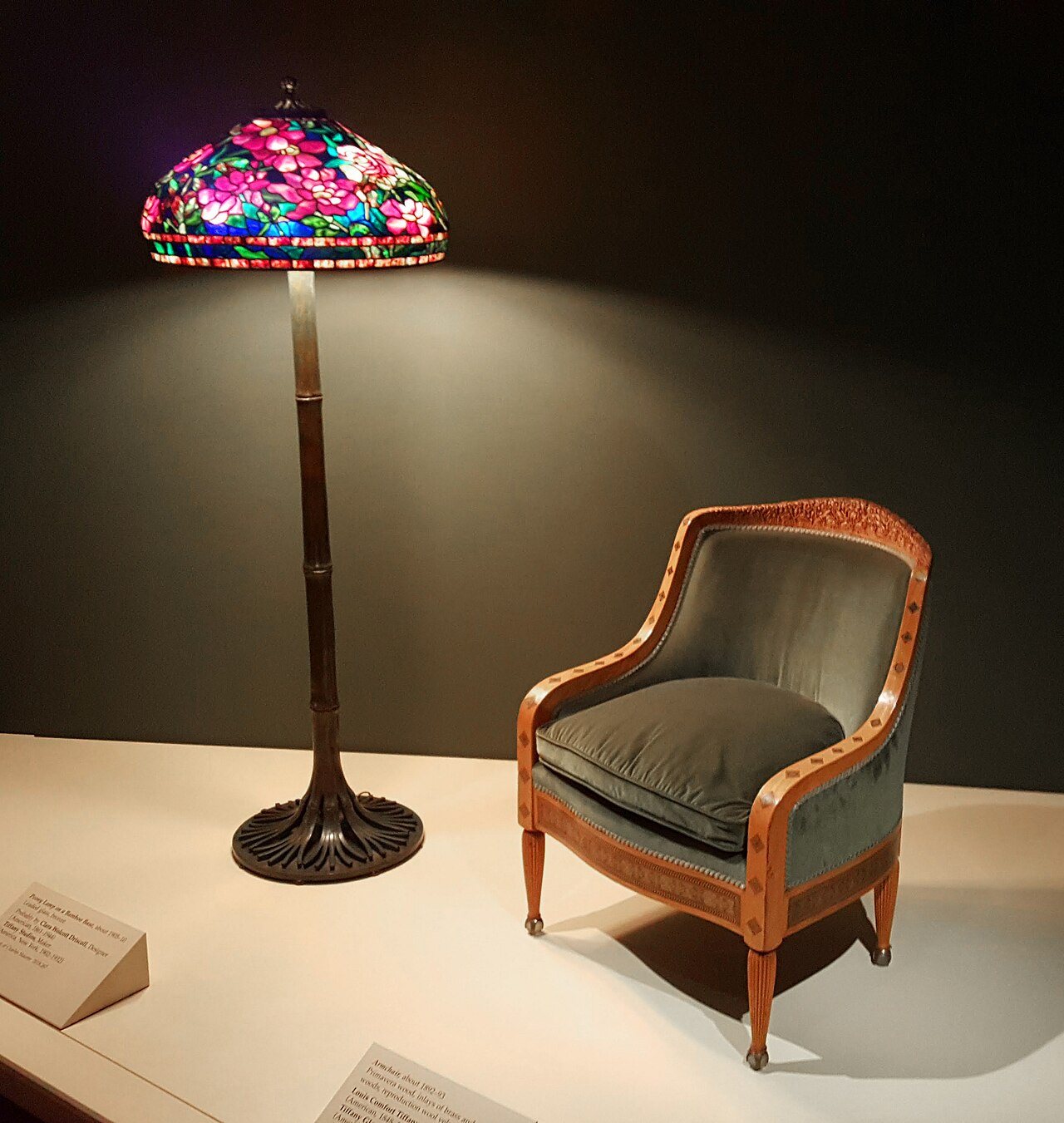
Photo: Tim Evanson, CC BY-SA 2.0, via Wikimedia Commons
The clocks have gone back in Europe and the US follows this weekend, which means a lot of us are about to spend our evenings under one ceiling fixture. In Britain it has a nickname, "the big light," and switching it on after dark is a running joke for a reason. One bright source in the middle of the ceiling flattens a room. It throws shadows under every face, leaves the corners dim and makes even a nice space feel like a waiting room.
The fix isn't expensive, and you don't need an electrician for most of it. Designers talk about layering light, which just means using several smaller sources at different heights, each doing a different job. Get that right and the room changes character after sunset without a single piece of furniture moving.
Start with what the room is for
Before buying anything, spend one evening noticing what you actually do in the room once it's dark. Do you read in one chair? Watch TV from the sofa? Work at a corner desk? Each of those spots needs its own light, and the room as a whole needs a soft background glow so you aren't sitting in a pool of brightness surrounded by gloom.
That background layer is often called ambient light. The focused kind, for reading or chopping vegetables, is task light. Then there's the decorative layer, sometimes called accent light: a lamp on a bookshelf, a picture light, a small glow in a corner. You don't need all of them everywhere, but most living rooms look better with at least two.
Put light at three heights
The most useful rule I know is to place light at different levels. I like at least one low source, such as a small lamp on a side table or a light on a low shelf, plus a floor lamp beside a chair that sits at about eye level. The ceiling light can stay, but ideally on a dimmer and not as the only option.
Light near the corners pushes the walls back visually and makes a room feel bigger. A lamp behind or beside the sofa does more than one on the coffee table in front of it, because it lights faces from the side instead of from below. (Uplighting from below is fine for a horror film, less so for a dinner party.)
Pick bulbs by color and lumens, not watts
Since LED bulbs replaced incandescents, watts tell you very little about brightness. Look for lumens instead. As a rough guide, a bulb of about 800 lumens gives the light of an old 60-watt incandescent, which is plenty for most table lamps.
Color temperature matters just as much, and it's printed on the box in kelvins. Around 2700K is the warm, slightly yellow white most people associate with a cozy living room. Around 3000K is a little crisper and works well in kitchens and bathrooms. Cooler bulbs of 4000K and up suit a garage or workshop, but in a sitting room they can feel clinical after dark. I'd keep everything in one room within the same range, because a mix of warm and cool bulbs is the thing that most often makes a room look a bit off without anyone knowing why.
If you care about how colors look, paint, art, your own skin, check the color rendering index (CRI) on the packaging. A CRI of 90 or above shows colors more accurately than a cheaper bulb in the low 80s.
Dimmers and smart bulbs
A dimmer on the ceiling light is one of the best value changes you can make, because it lets the big light become a background light. Two things to check: the bulbs must be labeled dimmable, and the dimmer switch should be rated for LEDs. An older dimmer paired with LED bulbs can cause flicker or a faint buzz. Replacing a wall switch is a job for a qualified electrician in many places, so check your local rules before you start.
Smart bulbs are an easy alternative if you rent. They screw into existing lamps, dim from a phone or a wall remote, and many can shift from cooler light in the day to warmer light in the evening. They cost more per bulb, so I'd put them in the two or three lamps you use most rather than everywhere.
Lampshades and placement do half the work
The shade changes the light more than people expect. A white or cream fabric shade spreads a soft glow around the room. A dark or opaque shade sends light down and up only, which is useful for a reading lamp and not much help for general warmth. Check the bulb isn't visible from where you sit, since a bare bulb at eye level is tiring to look at all evening.
Also check each lamp's maximum wattage label. LEDs run cool and well within most limits, but it's still worth reading the sticker on older fittings before swapping bulbs.
A simple plan for this weekend
If you want somewhere to begin, try this. Put one lamp in the darkest corner of your living room, one beside the seat you use most, and a dimmer or smart bulb on the ceiling light. Use warm white bulbs of about 2700K in all of them. Then turn the big light off one evening and see how the room feels.
My guess is you won't want to switch it back on, except to find the remote.