Around now, a lot of would-be buyers quietly give up for the year. The open houses thin out, the listing photos start showing bare trees, and the common advice is to wait for spring, when the market wakes up and there is more to choose from.
That advice is not wrong, exactly. Spring usually does bring more listings. But it also brings more buyers, and winter has a few real advantages that are easy to miss if you only think about the number of homes for sale.
This is a general guide to what changes when you buy between roughly November and February, and the extra checks worth making. Local markets vary a lot, so treat it as a starting point for questions to ask your own agent, lender and inspector.
Fewer homes, but also fewer people chasing them
The main trade off in winter is simple. There are usually fewer houses on the market, and there are usually fewer buyers too. In many areas, that second part matters more. A house that might draw several offers in April can sit for a few weeks in January, and that changes the tone of the negotiation.
Sellers who list in the middle of winter often have a reason that will not wait for spring, such as a job move, a new home already bought, or an estate to settle. That does not mean they will accept any offer, and you should never assume you know a seller's situation. It does mean you may have more room to ask for repairs, closing cost help or a flexible move date than you would in a busy season.
What a cold day tells you about a house
Viewing a home in winter is, in some ways, a better test. You get to see the house doing its hardest job.
Walk through slowly and pay attention to how it feels. Are some rooms noticeably colder than others? Can you feel drafts around windows and doors? Is the heating system running constantly just to keep up? Look for condensation or ice on the inside of windows, which can point to poor insulation or high humidity.
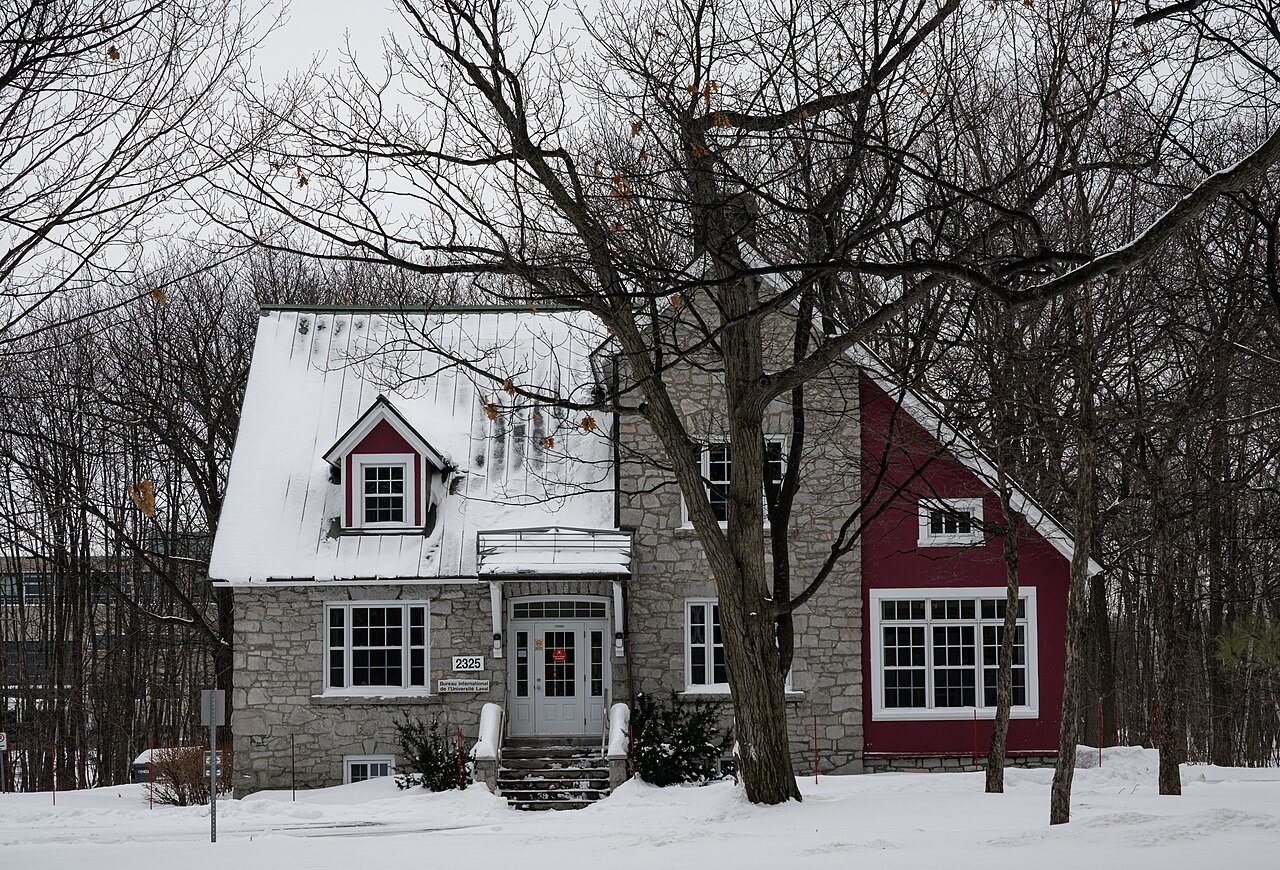
Outside, look at the roof edges. Long icicles and thick ridges of ice along the gutters (ice dams) often mean heat is escaping through the roof and melting snow, which refreezes at the cold edge. It is one of the few problems winter shows you far more clearly than summer does. Notice whether paths and the driveway drain properly or turn into sheets of ice, too.
Ask the sellers for recent utility bills. A winter bill is the most honest number you will get about what the house costs to heat.
What winter hides, and how to work around it
The flip side is that snow covers a lot. A roof under a blanket of snow is hard for an inspector to assess properly, and the same goes for the grading around the foundation, the condition of the driveway, decks and the garden.
Air conditioning is the other common gap. Many inspectors will not run a central air system when it is cold outside, because doing so can damage the equipment. If the house has one, ask how the inspector plans to handle it and whether the report will note it as not tested.
There are some workarounds. Ask the sellers for photos of the house and garden in warmer months, and for any records of roof, gutter or cooling system work. In some cases, buyers negotiate for the seller to have the air conditioning serviced, or ask about arrangements that set money aside for exterior items that cannot be checked until spring. Whether that is possible depends on your lender and local practice, so raise it early rather than at the last minute.
The holiday calendar can slow everything down
Closing a purchase involves a lot of people: lenders, appraisers, title or conveyancing firms, inspectors and movers. Between late November and early January, many of them are short staffed, and the end of the year is a busy time for paperwork. A closing date that would be easy in March can slip by a week or two in December.
Build in some slack. Confirm early which days the offices you depend on are closed, keep copies of your financial documents up to date, and expect your lender to ask for fresh bank statements if the process drags into the new year. (It nearly always asks for something you sent three weeks ago. That part is not seasonal.)
Moving in the cold
Winter moves are perfectly doable, but they need a bit more planning. Make sure utilities are on in the new house before you arrive, especially the heating, and that someone is responsible for clearing snow from the driveway and paths on moving day. Protect floors from wet boots and slush, and keep a box of essentials in the car in case the truck is delayed by weather.
If the house has been empty for a while, ask whether the heating was kept on and the pipes protected. A burst pipe is not the housewarming present anyone wants.
Where to start if you are buying this winter
If you are thinking about buying before spring, start with a mortgage preapproval so you can move quickly if the right house appears, since there may only be a handful that fit. Ask your agent how long similar homes have been sitting in your area lately, because that tells you more about your bargaining room than any national headline.
Then book viewings on the coldest, greyest days you can find. A house that feels comfortable on a miserable afternoon in January has already passed one of the more useful tests it will ever face.
See more of us on GoogleAdd Home Knowledge as a preferred source and our stories can show up more often for you in Top Stories.